2025 Review
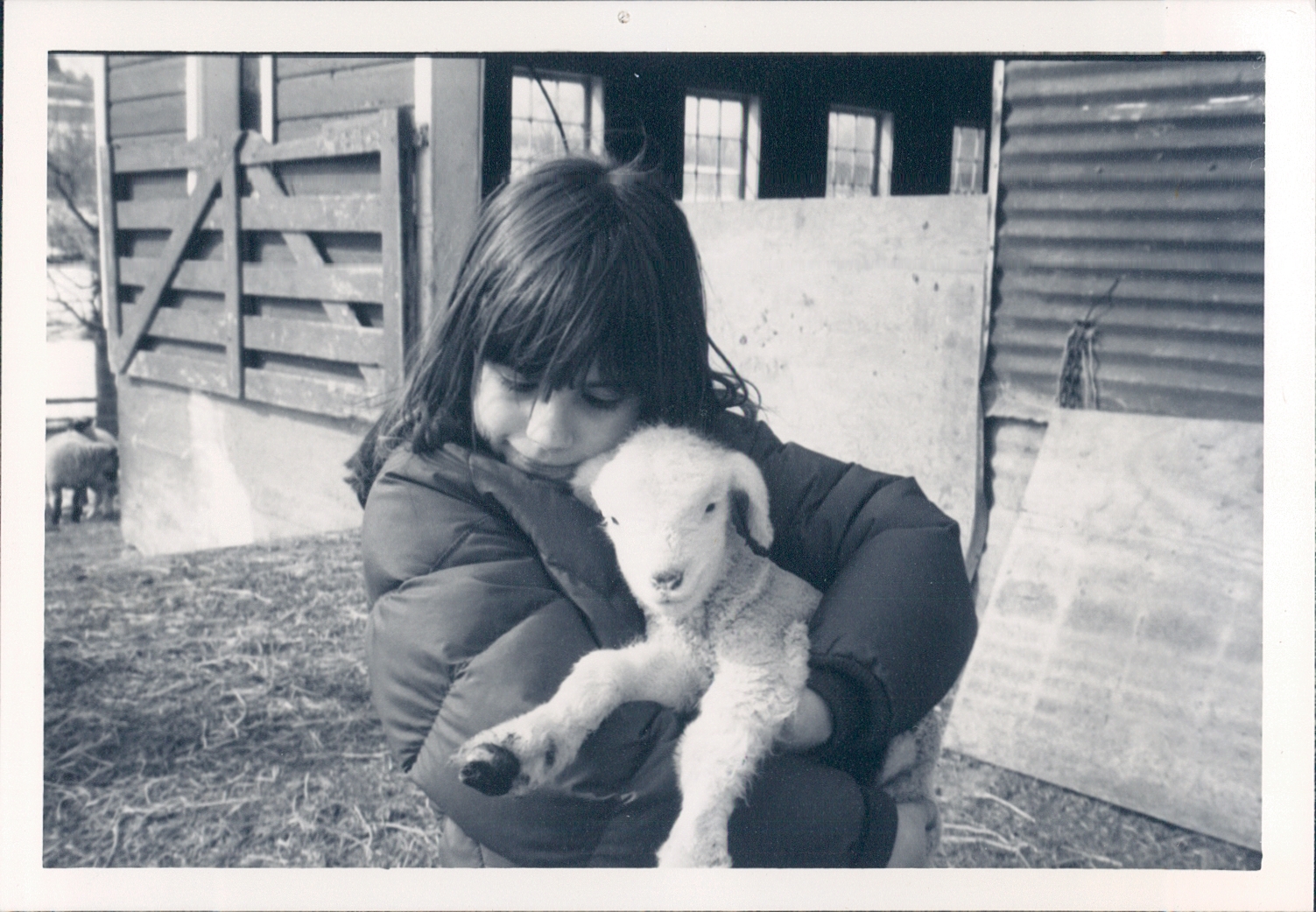
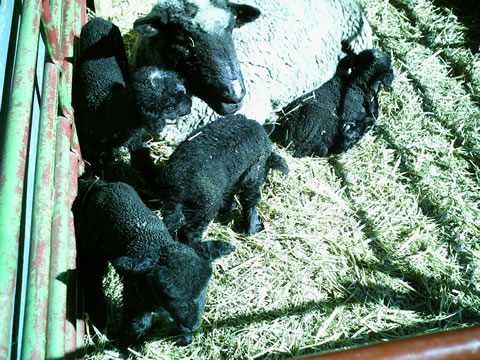
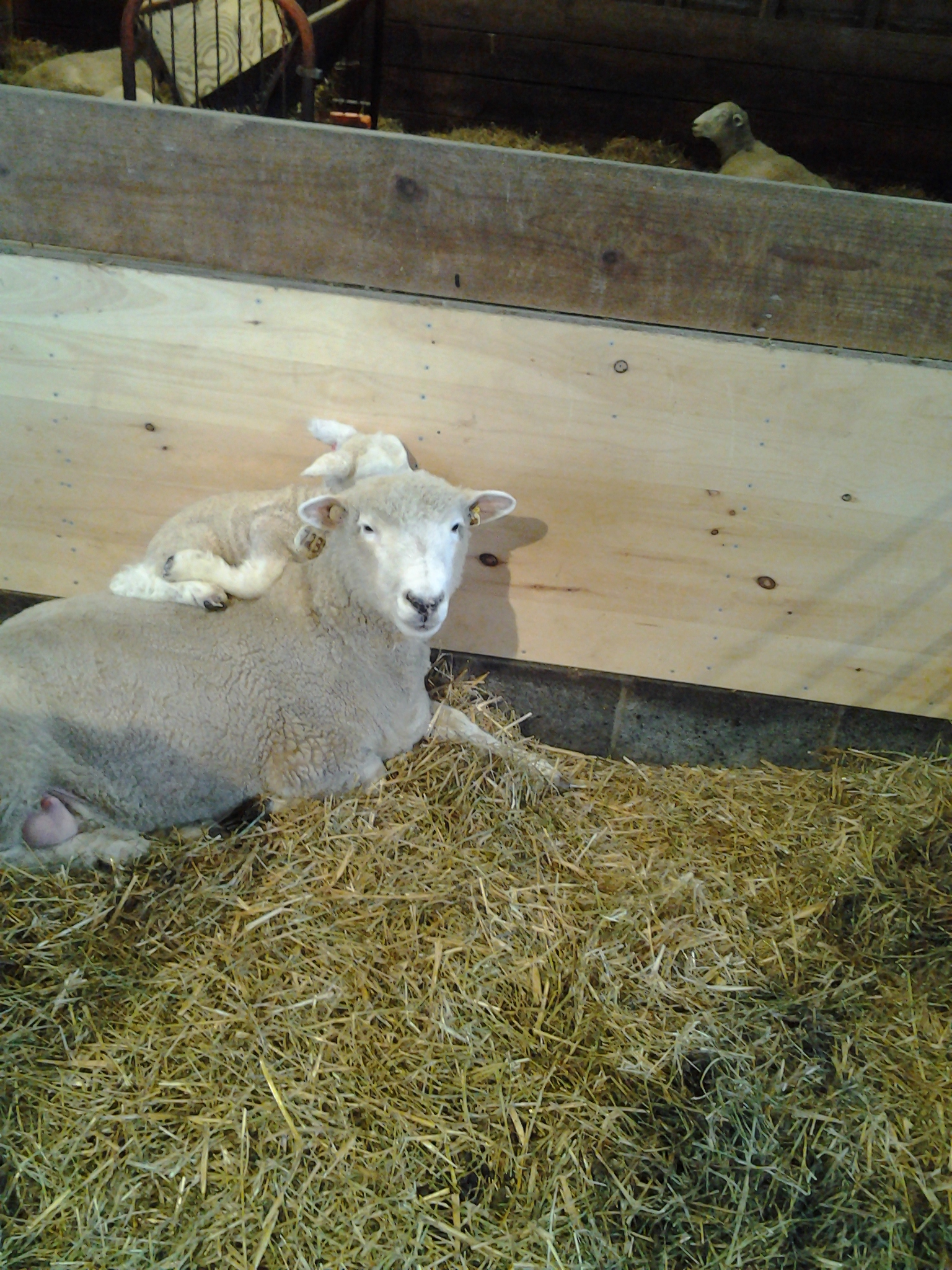
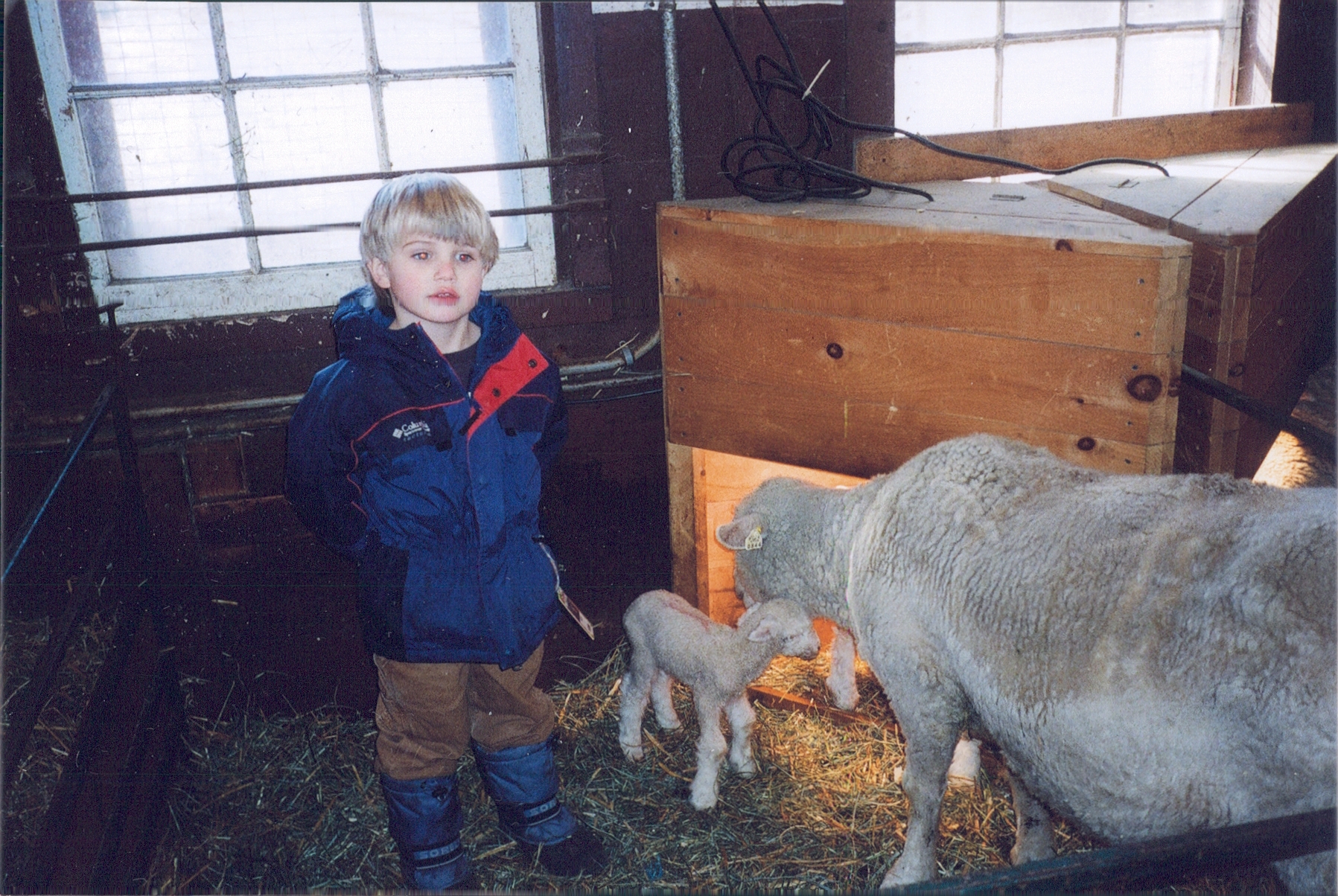
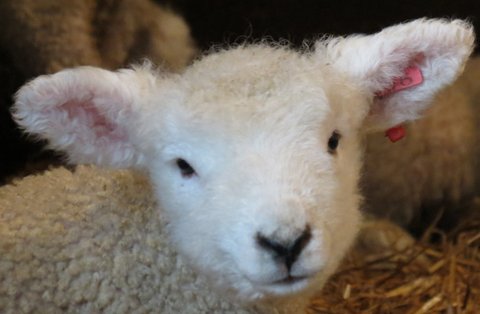
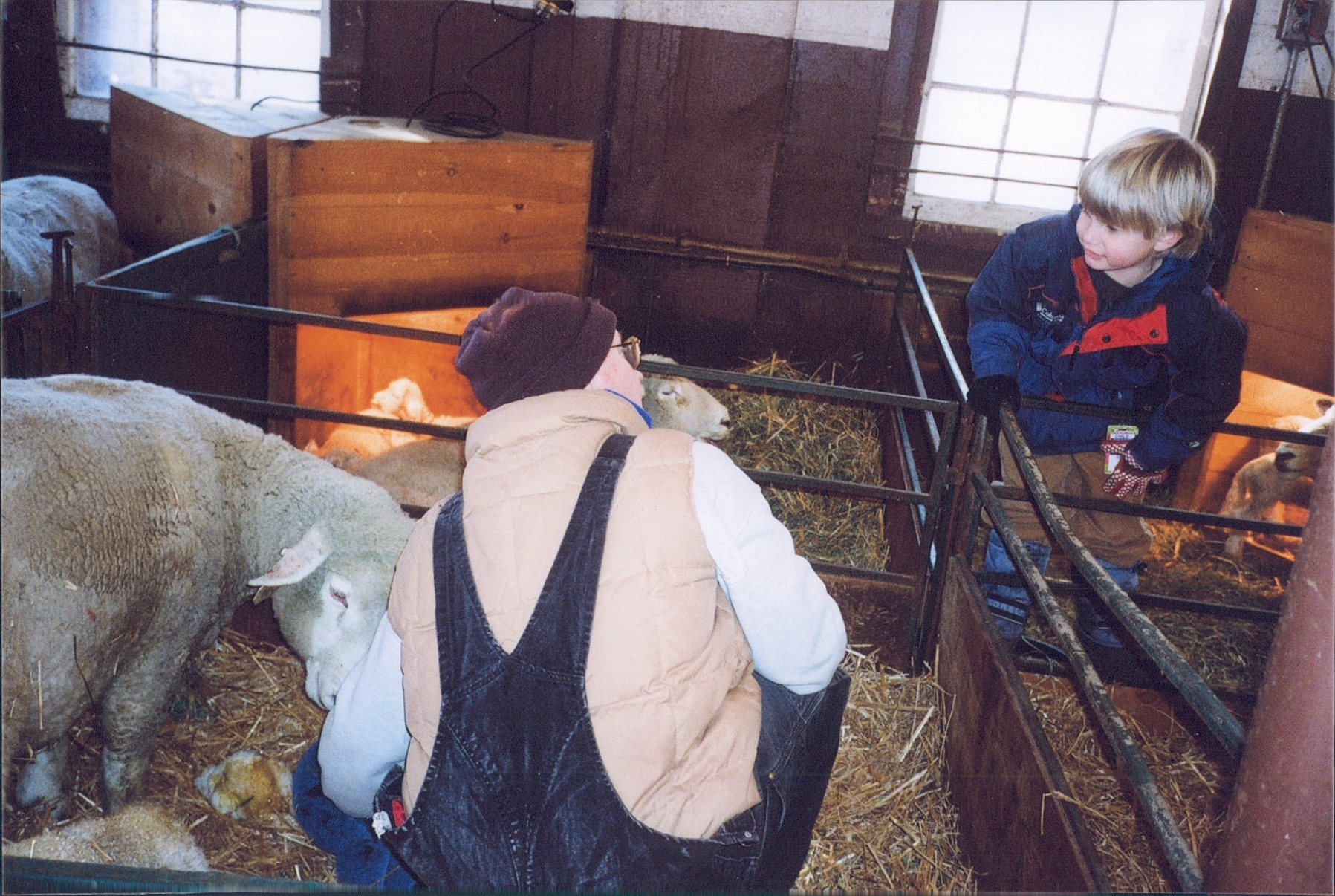
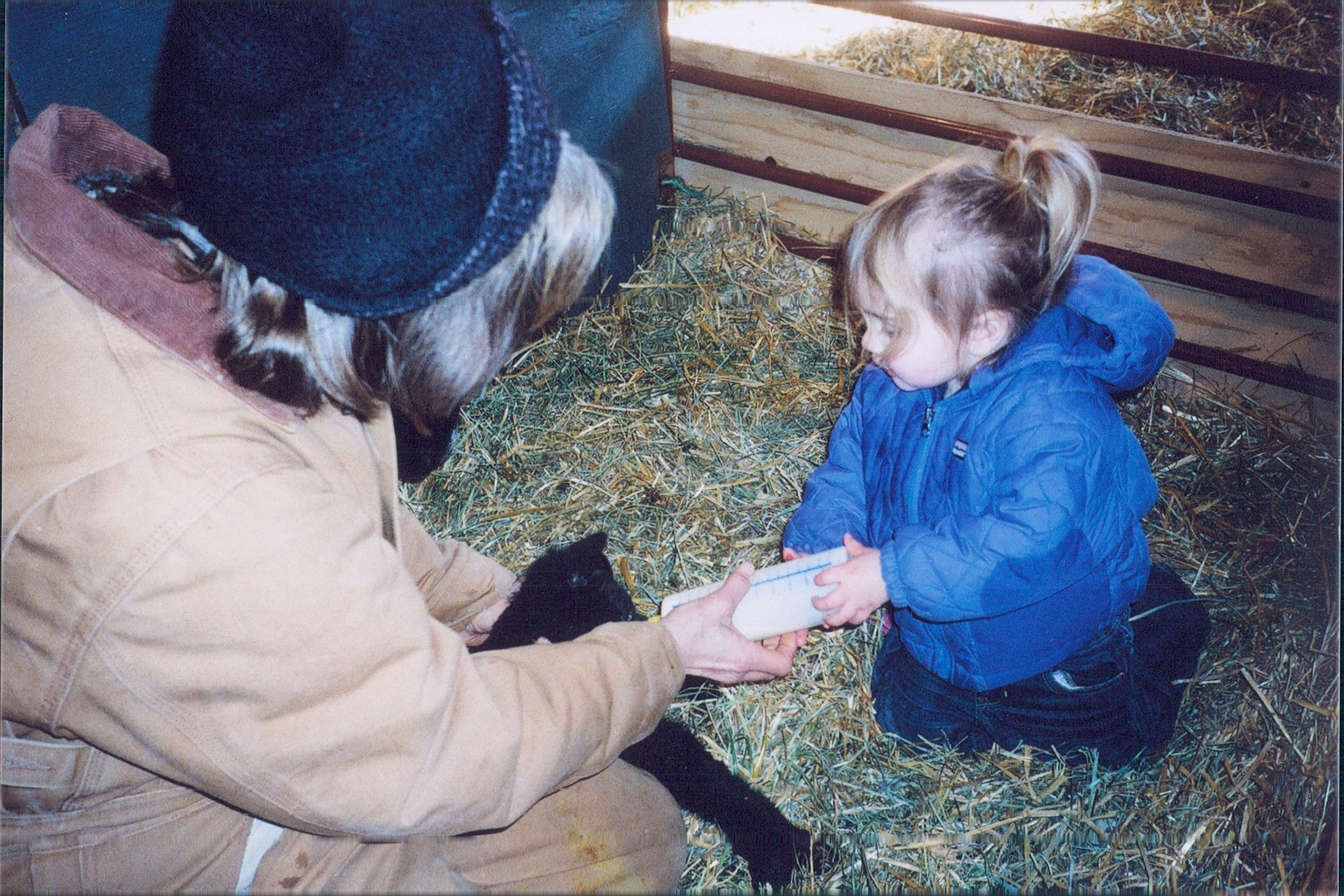
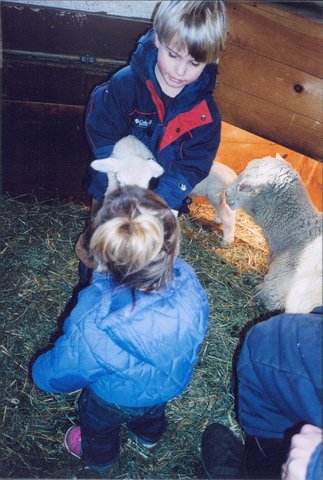
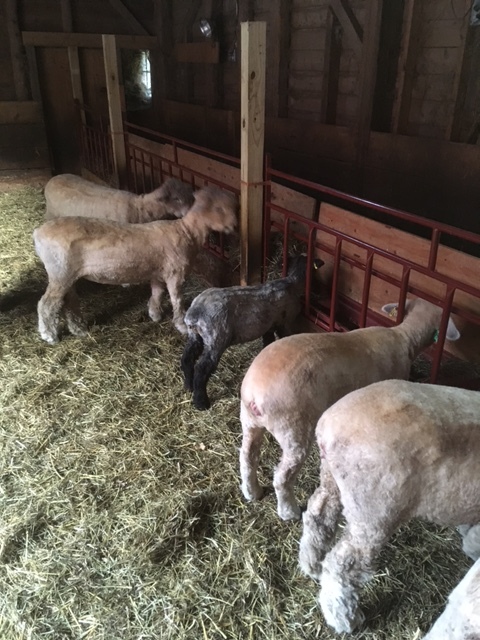
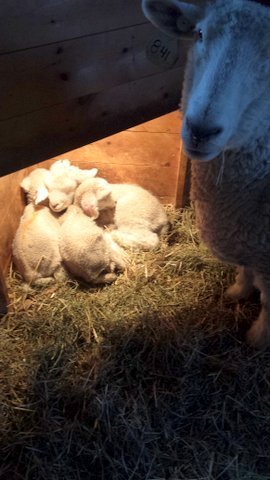
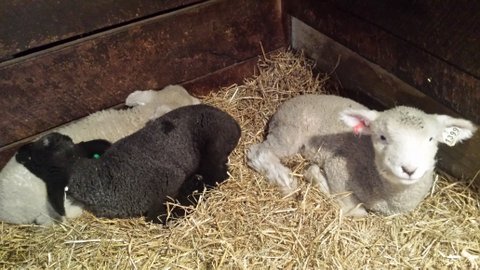
2025 was full of events and course changes. It opened with the welcome arrival of Rhonda Jaacks as Manager, just in time to get ready for the most intensive week of lambing we’ve ever had, and to carry it through. Over four days, twenty-one ewes gave birth indoors to forty-two lambs, including three sets of triplets and one of quads. It was very hard to make secure jug space for all. Rhonda handled the delivery and neonatal aspects masterfully.
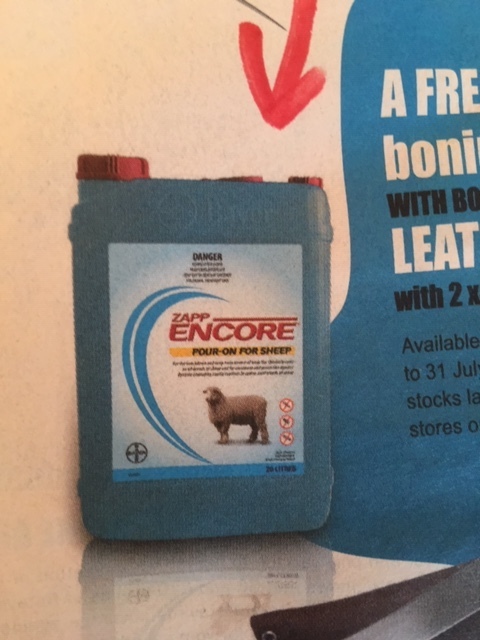
Big bumps appeared on the road to our goal of being able within a few years to raise grass-fed purebred Romney lambs on minimal amounts of chemical treatments. The combined pressure of coccidiosis and gastro-intestinal nematodes forced us back to feeding medicated pellets through the summer instead of relying on all-grass. Tracking the lambs’ development with fecal egg counts for Strongyles, frequent FAMACHA and frequent body condition scoring, we could not pick out a subgroup that seemed to be resistant to Strongyles or to tolerate high worn burdens without symptoms. We also had eventually to de-worm almost every lamb with three types of dewormer (not all at once) rather than, as we had hoped, to selectively de-worm a portion of the group so as to create the desired refugia for non-resistant worms.
Much of the trouble was due, I think, to my (Stephen’s) unilateral decision not to start the lambs on medicated pellets, as we’d done for many years. Bad idea. They weren’t ready for the coccidiosis endemic in our perennial pastures, the GI impact of which may have made them more vulnerable to nematodes. Rhonda’s caring brought a lot of worthy lambs though the crucible
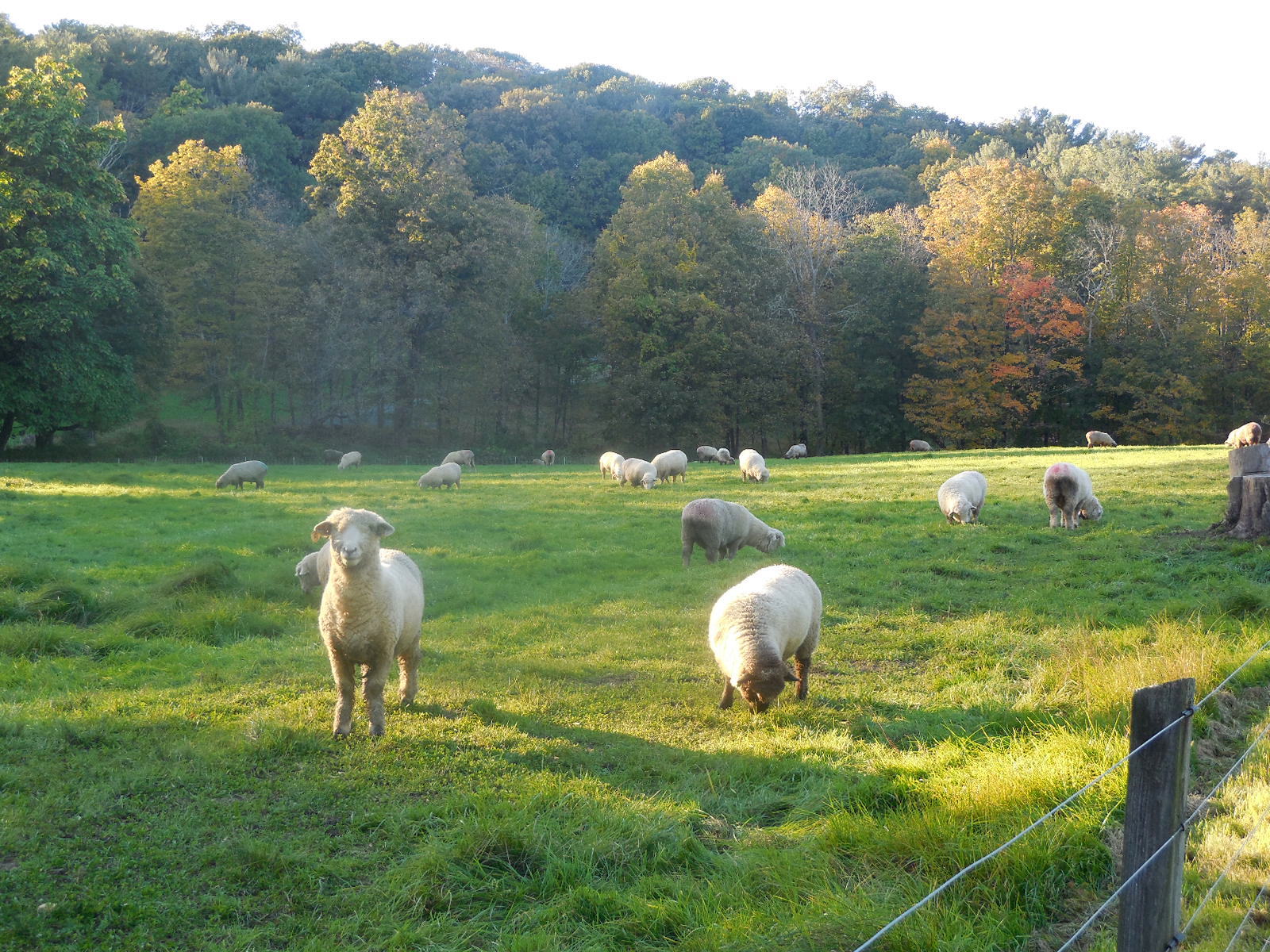
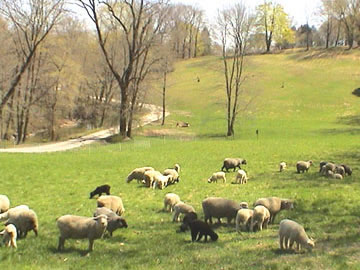
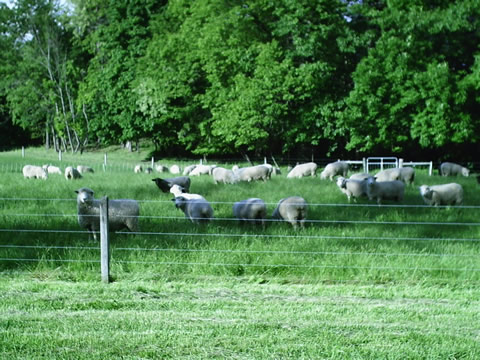
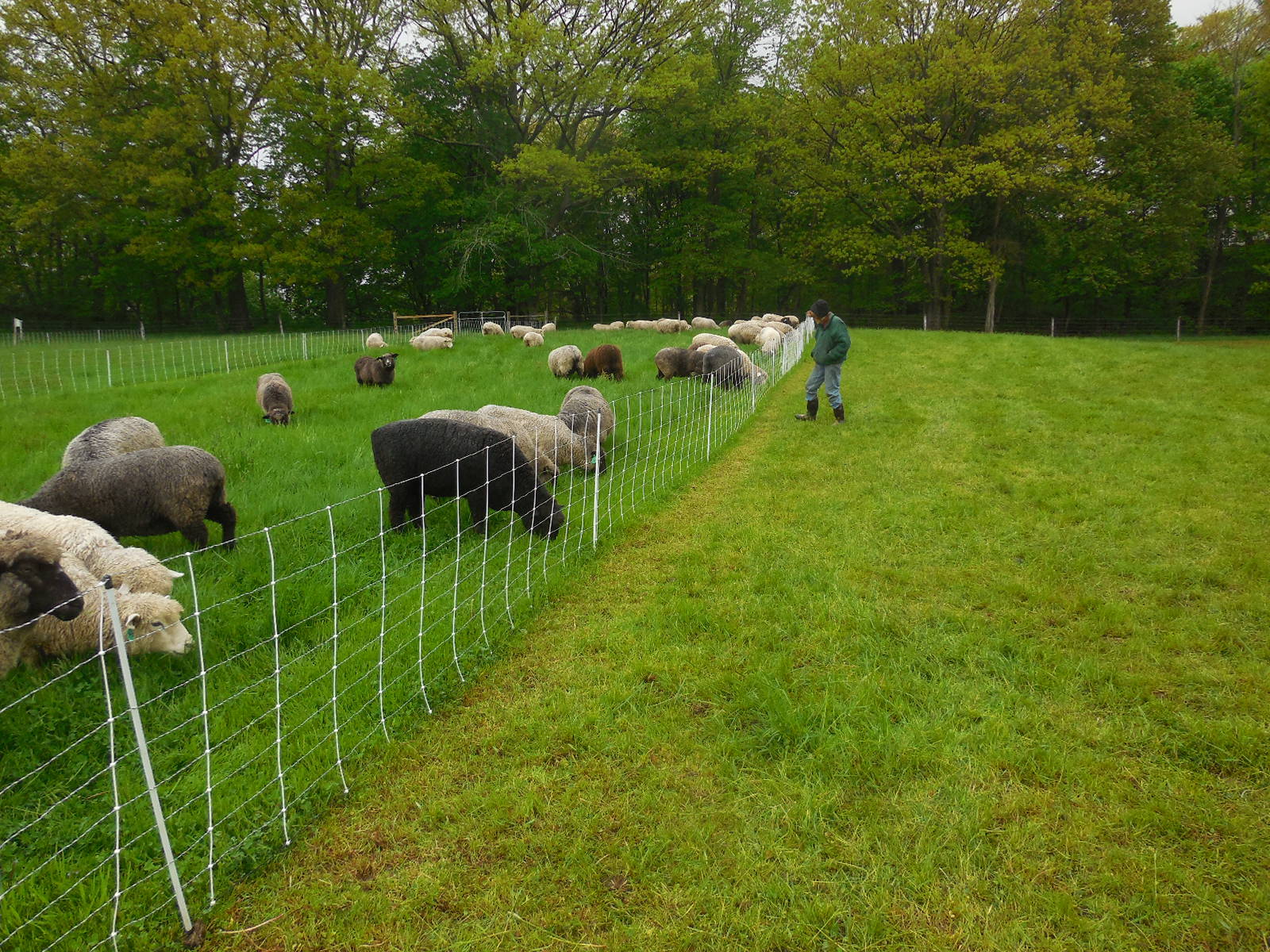
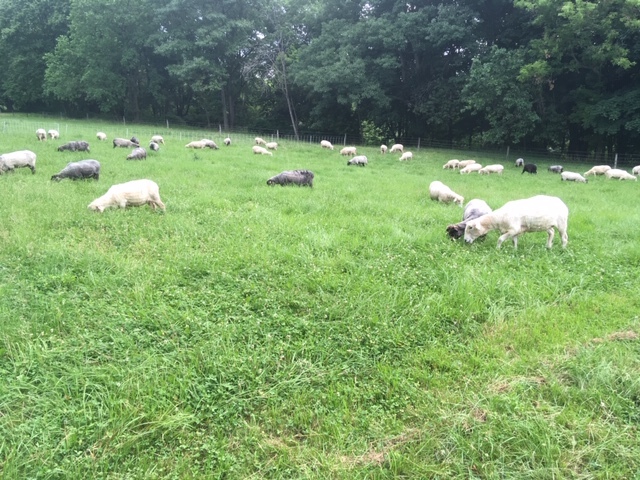
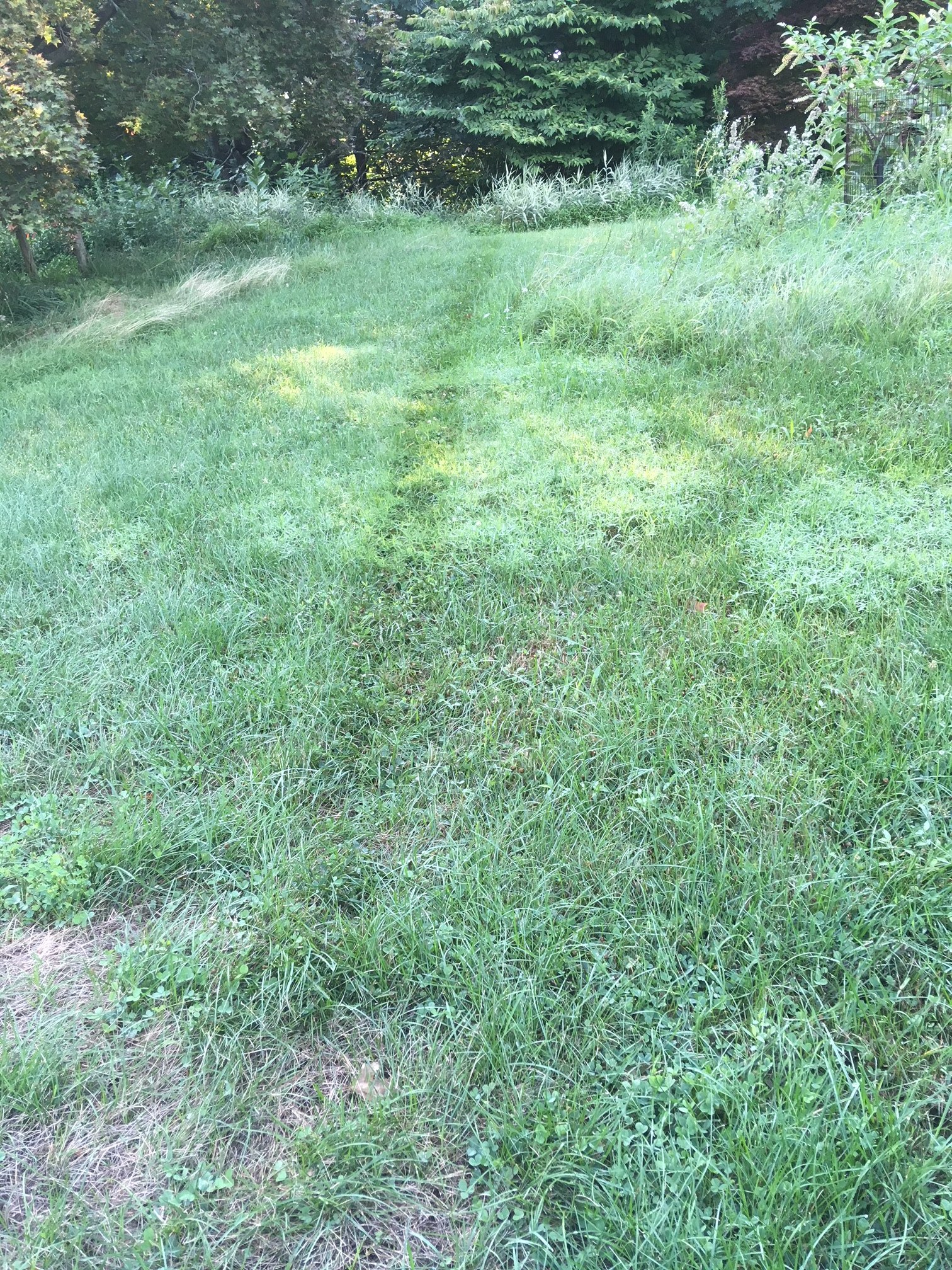
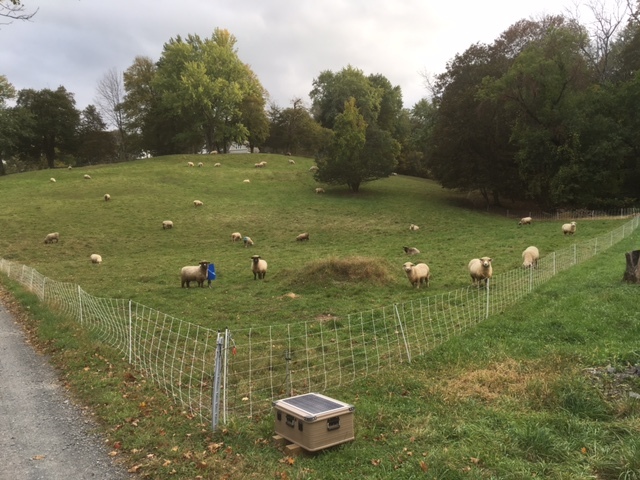
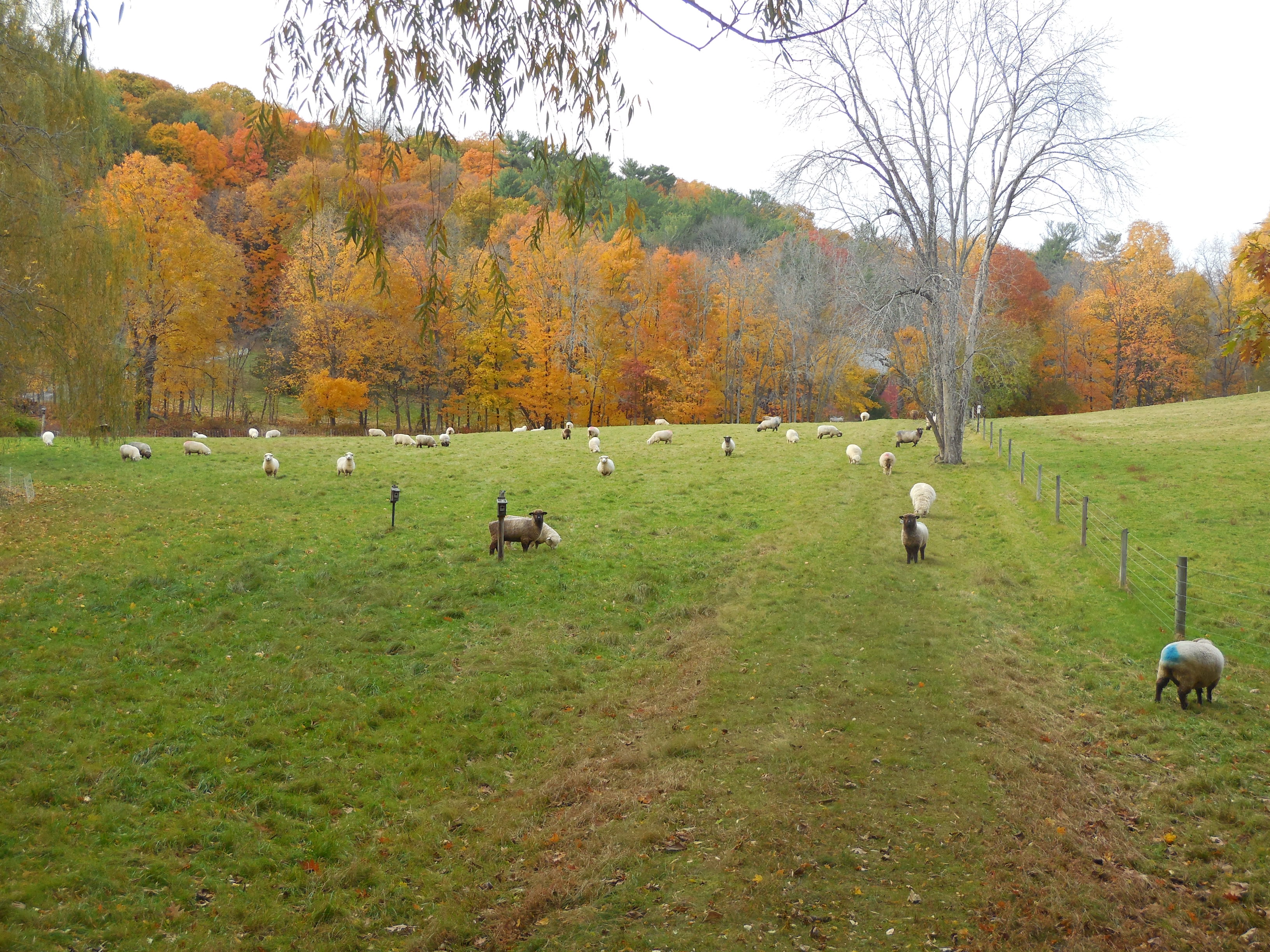
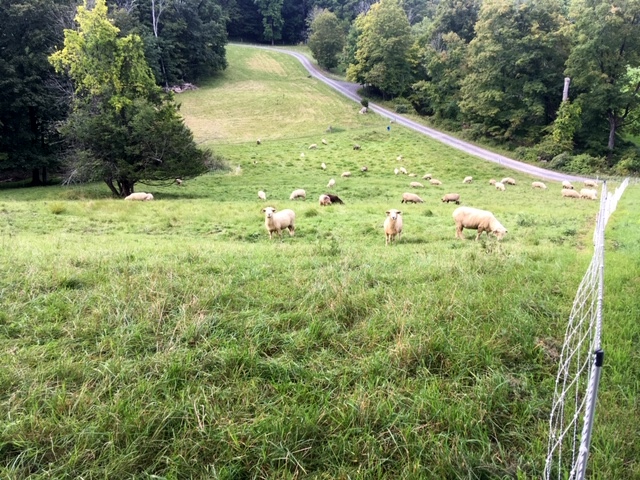
We have not given up aiming for “regenerative practices” nor on “ecosystem services,” but will have to modify our future approach to grass feeding, providing a coccidiostat in milled feed into the fall for lambs on pasture and getting more rigorous in rotating and resting pasture that the lambs use. What with a dry late summer that slowed pasture forage growth, we went through a lot of imported hay even before ewes came into the barns in mid-November.
Happily, we found some buyers for lambs out of the Kiki South ram (by AI) who came for the first time as well as some old friends. Sales are listed on the buyers in last two years page , which goes back >> 2 yr.
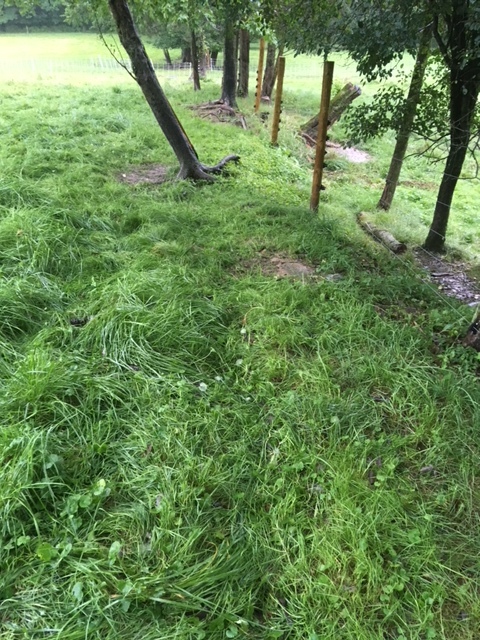
NRCS gave us advice and financial help for soil health and pasture improvement practices including planting native trees. They don’t look like much now, but will contribute useful shade in ten years or so and will be supplemented by others.
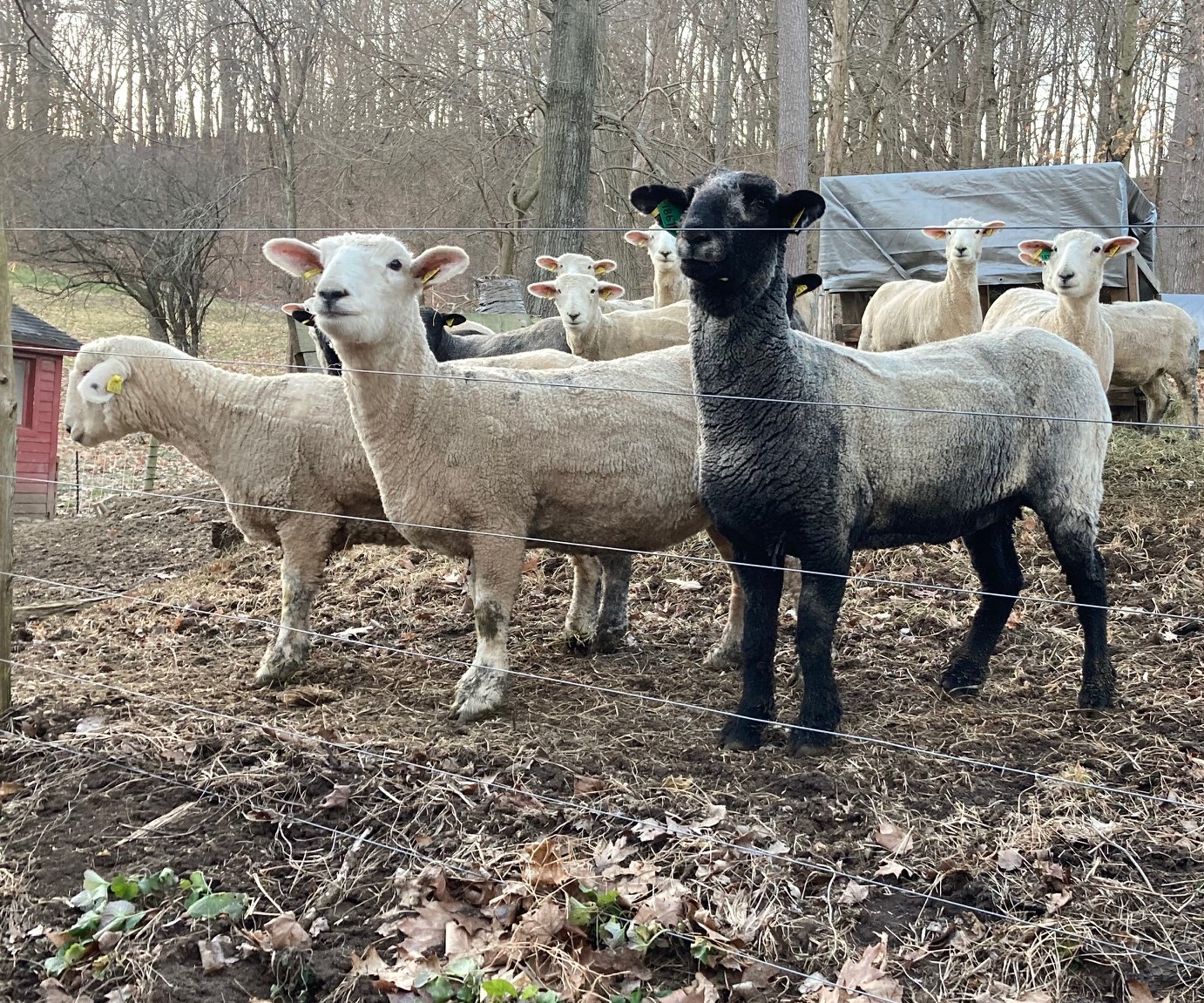
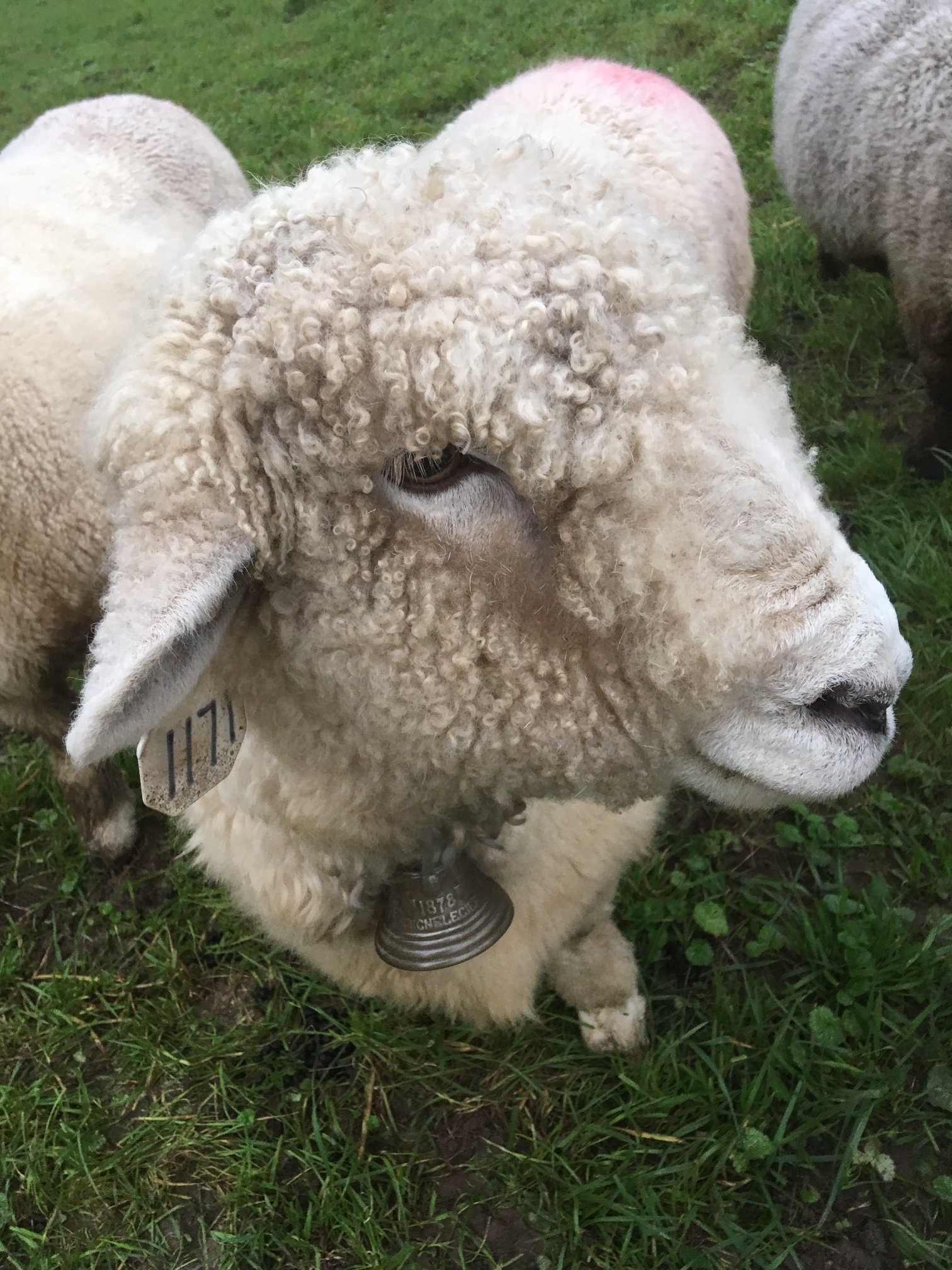
In 2025, for the first time in a while, we didn’t shear mature sheep and lambs in early summer. Staple length on the December clip from mature sheep was thus much longer than with twice-a-year shearing. We plan to have the lambs sheared in March, which will mean having hoggett fleeces at Rhinebeck in fall 2026. We’ve never offered those before.
Wanting to shorten the time span of lambing in spring 2026, we exposed the brood ewes for scarcely two cycles. This (no surprise) means that not all mature ewes were bred. The stud rams are listed on separate page.